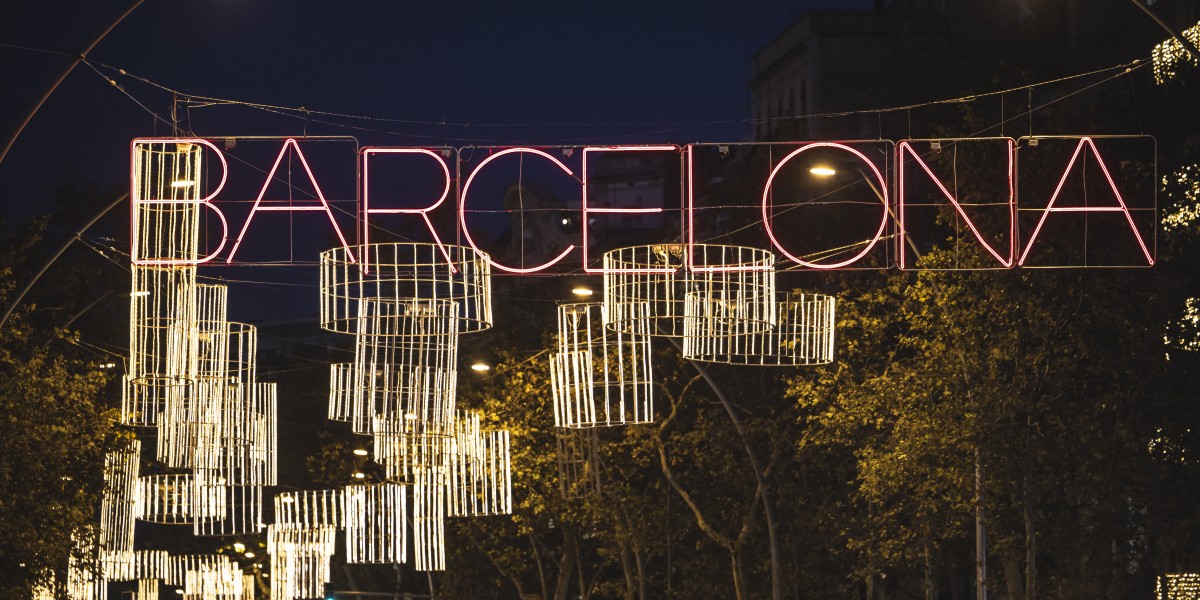

Barcelona being named European Capital of Christmas 2026 is a proper badge of honour. If you already know Barcelona in summer mode with the beach, terraces and festivals, the Christmas version is a different kind of buzz.
What is the European Capital of Christmas 2026
The European Capital of Christmas title is a symbolic award given to one city each year for an outstanding festive programme. The international jury looks for more than pretty décor. They want evidence that the city is thinking about accessibility, using energy sensibly, and giving space to both heritage and new ideas.
Why did Barcelona win the European Capital of Christmas award?
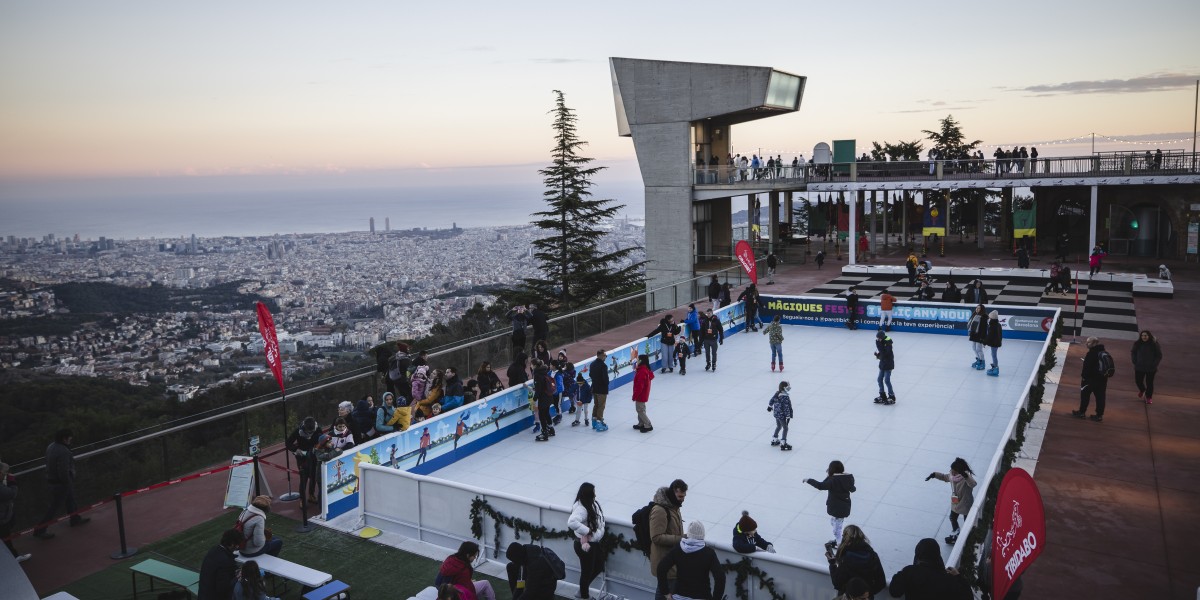
Barcelona won the European Capital of Christmas title because its candidature went far beyond a pretty historic centre and a token market. The bid highlighted a mix of traditional Catalan customs with the city's multicultural identity.
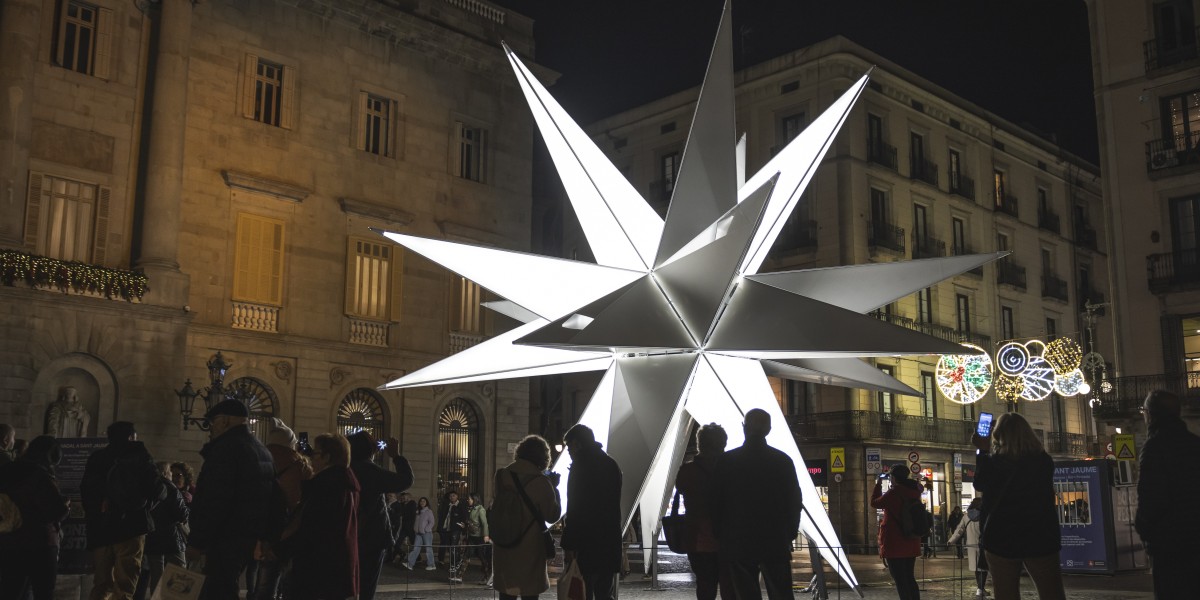
The jury valued the way the city uses its streets and squares as stages for epic Christmas lights, music and installations, while also putting together a proper festive programme.
Sustainability also played in Barcelona’s favour, with growing use of energy‑efficient lighting, re‑usable decorations and a focus on public transport access for big events. Overall, the candidature framed Barcelona as a lively Mediterranean winter destination as well as a summer city.
Barcelona’s Christmas traditions that helped secure the title
Barcelona’s bid leaned heavily on very local Catalan Christmas customs. This gives the city a festive personality you do not really find elsewhere in Europe and plenty of non-touristy things to do away from the clichés. Some standout Catalan festive traditions include:
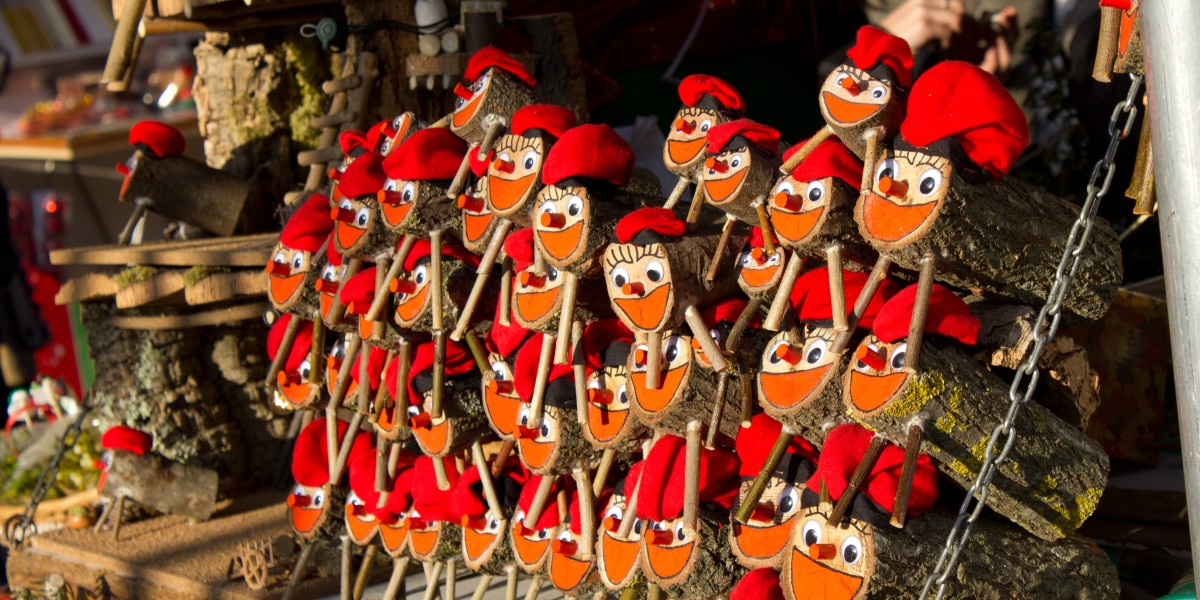
- Tió de Nadal (caga tió) – a wooden log with a painted face that “lives” in homes and schools in December. Children feed it, then tap it with sticks so it “poos” sweets and small presents.
- The caganer – a mischievous little figure hidden in Catalan nativity scenes, traditionally a peasant in a floppy red hat caught in a private moment.
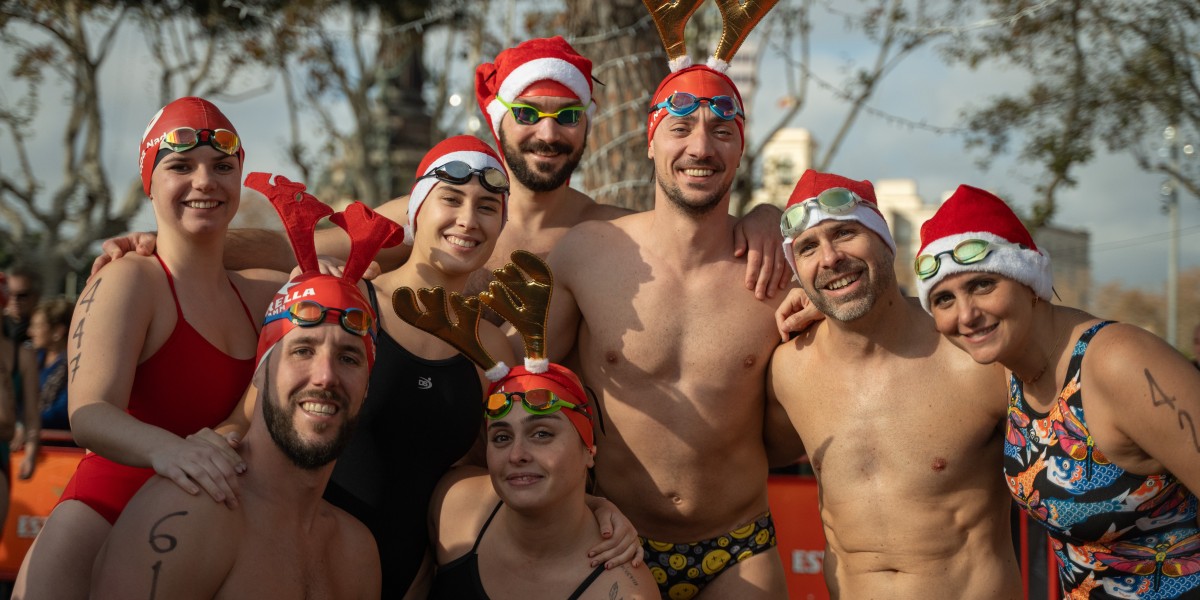
- Copa Nadal – brave locals dive into the chilly water at the Port of Barcelona for the century‑old swimming race that has become a symbol of the city’s festive spirit.
- Public nativity scenes (pessebres) – elaborate displays in churches, public buildings and outdoor spaces.
- The Three Kings and the Cavalcada de Reis – the Three Kings celebrations in Spain are almost as big as Christmas Day. In Barcelona, the Three Kings usually arrive by boat in the port before proceeding through the city on floats.
Spending Christmas in Spain
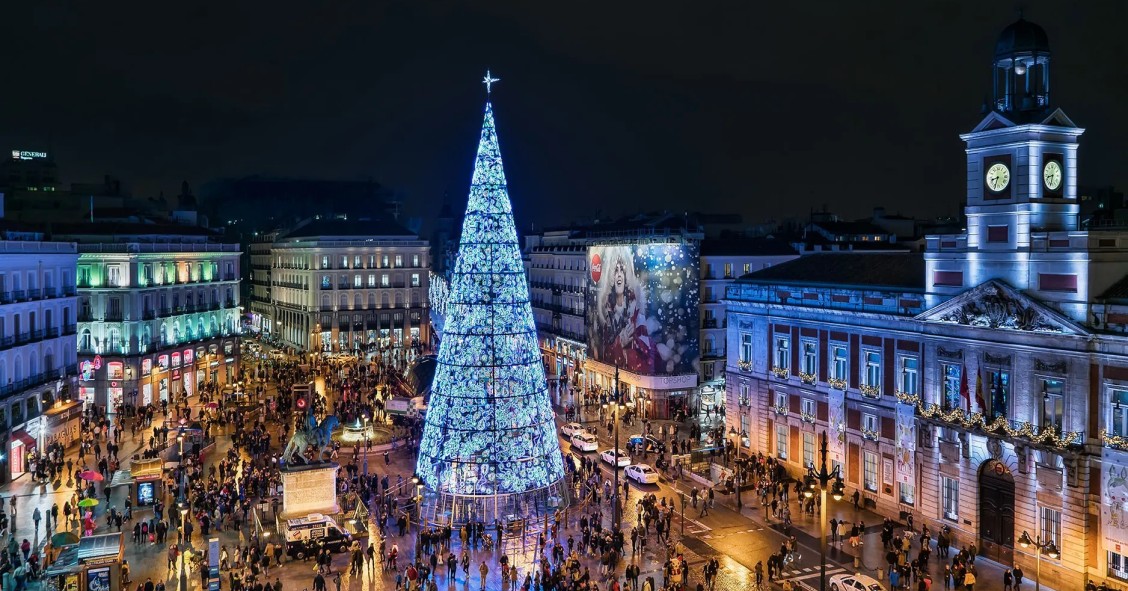
Spending Christmas in Spain is all about long, lazy meals and glowing old town streets lined with impressive light displays.
In most cities, you’ll find a mix of lively Christmas markets and plenty of religious and cultural events. Nochebuena (Christmas Eve) is usually the big dinner, where families tuck into traditional festive dishes. A lot of the best moments are as simple as a vermut and a plate of jamón at a crowded counter in a typical Spanish bar around the corner.
Stay in the know about visiting and living in Spain as a foreigner—get our weekly newsletter for the latest travel, legal, and lifestyle news.
Spanish Christmas traditions: unique customs, food and festive celebrations
How is Christmas celebrated in Spain? Spanish Christmas traditions are full of colour, culture, and quirky customs. From unique decorations to festive foods and New Year rituals, Spain’s celebrations are both traditional and delightfully unusual. Here’s your guide to experiencing Christmas like a local, with these 10 facts about Christmas in Spain.

Best Christmas markets in Spain 2025: events, dates and highlights
If you’re hunting for the best Christmas market in Spain 2025, think twinkly plazas, proper regional treats like turrón, and stalls stacked with handmade gifts. Across big city squares and historic corners, it’s all about relaxed browsing, street music and a warm cup of chocolate to keep the chill off.
